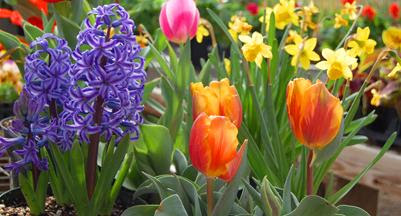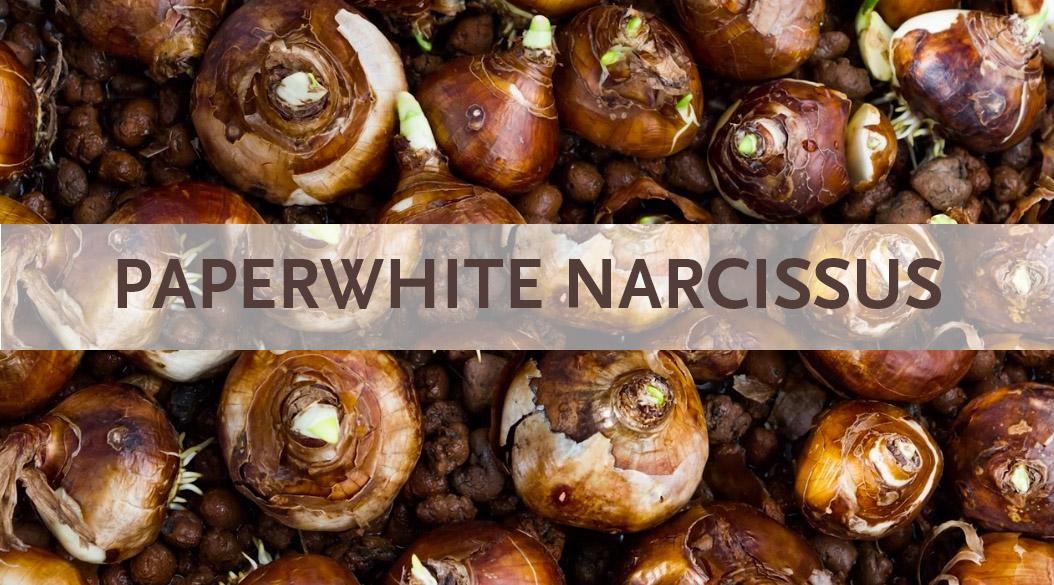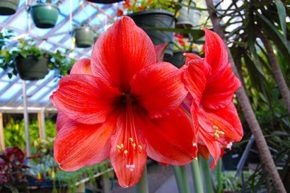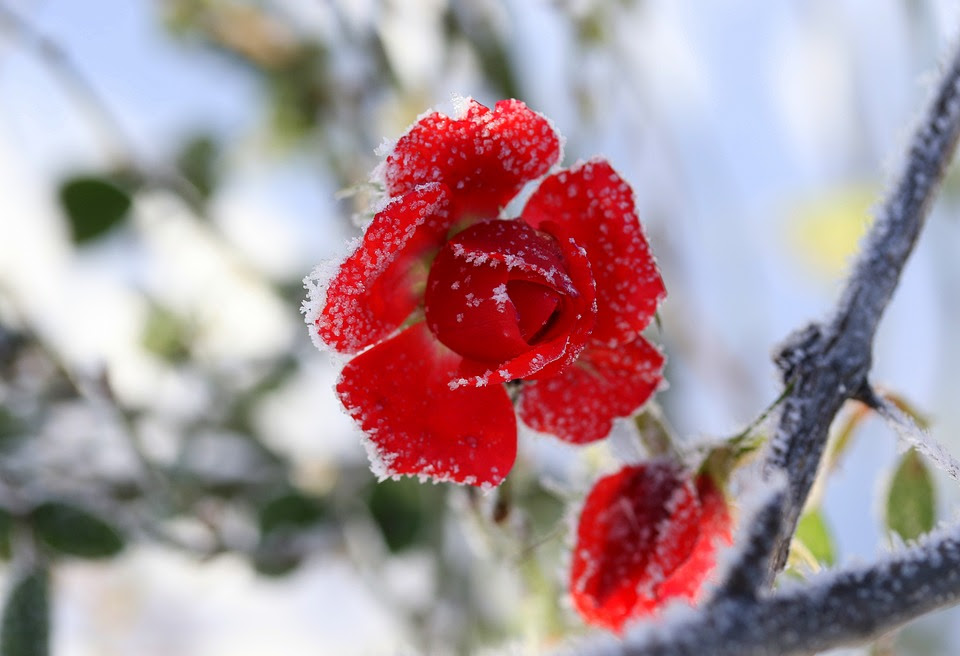


In general, spring planting typically begins once the ground has thawed and it is no longer freezing. This is usually after the last frost date of May 10th in our area — that’s why we are saying GET READY TO PLANT!

What does that mean? Well…

Preparing for spring planting can be a multi-step process that involves several key tasks to ensure that your plants have the best chance of thriving. Here are some steps you can take to get ready for spring planting:

Plan your veggie garden: Start by deciding what you want to plant and where you want to plant it. Consider factors such as sunlight, soil type, and drainage when planning your garden.

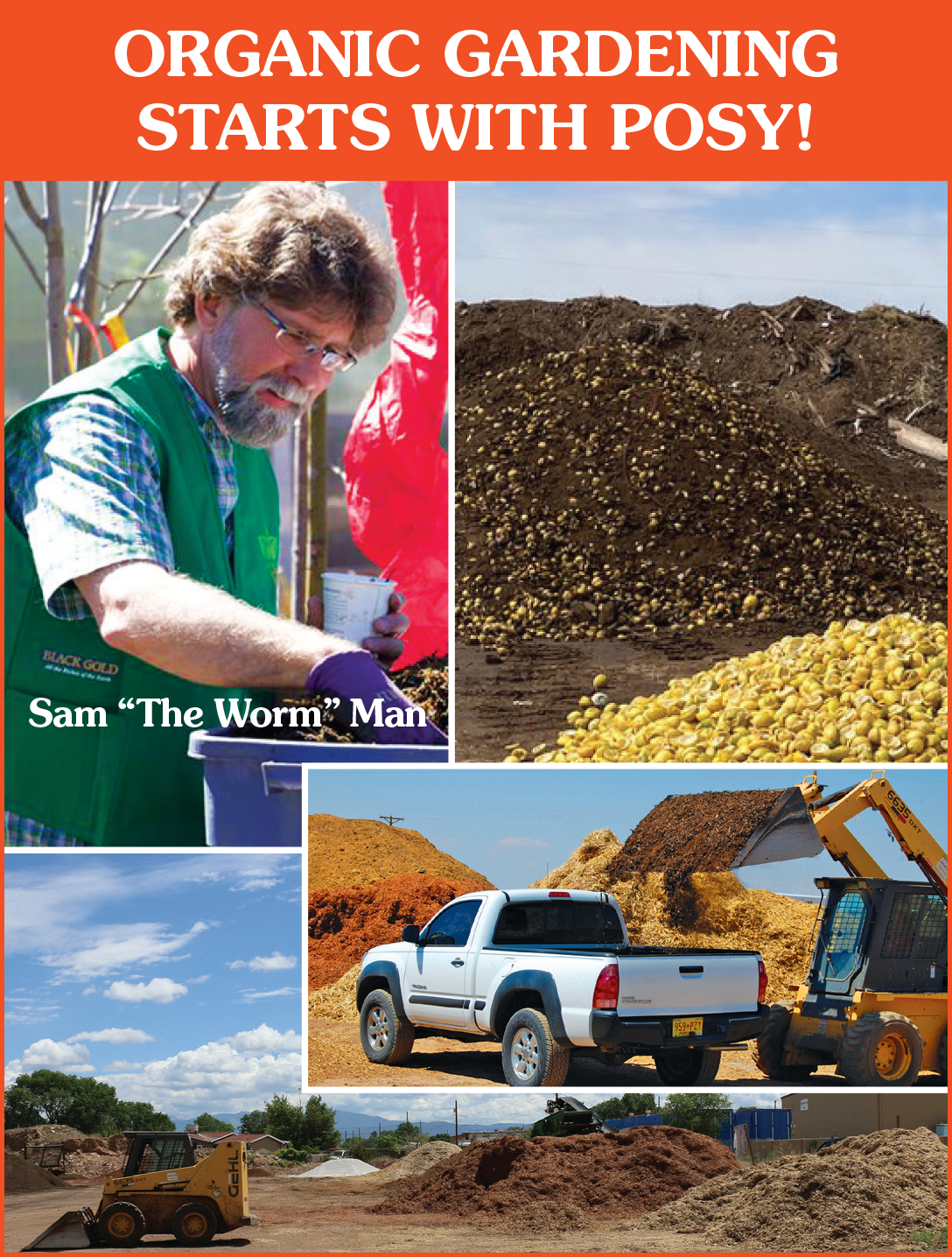
Prepare the soil: Get your soil ready for planting by removing any weeds, rocks, or debris, and tilling the soil to loosen it up. It’s very important to improve your soil by adding compost or other organic matter. Get your soil from Payne’s Organic Soil Yard to improve soil fertility and structure. CLICK HERE for POSY.

Test the soil: Test your soil to determine its pH and nutrient levels. This can help you decide what amendments, iron sulphate or fertilizer your soil may need. Payne’s has soil testers in stock.

Choose your plants: Select plants that are suitable for our area and climate, and that will thrive in the conditions of your garden. Think about planting cool-weather crops such as lettuces, peas, leeks, onions, spinach, broccoli, cabbage, cauliflower, kale, Brussels sprouts, garlic, potatoes, onions, and carrots.

Get your tools and supplies: Gather your gardening tools and supplies, such as gloves, a shovel, a rake, and watering cans.

Plan for irrigation: Make sure you have a plan in place for watering your plants, whether it’s through irrigation or hand watering.

By taking these steps, you can help ensure a successful and productive spring planting season.

EASTER LILIES ARE HERE AT PAYNE’S!

Come see us before they’re gone!

There’s nothing quite like a fresh, locally-grown Easter lily — and ours are grown right here, fully acclimated to our New Mexico climate so they thrive in your home and garden.

That means they last longer, smell more fragrant, and look more beautiful than anything shipped from far away.

Pick some up for yourself, your church, as a hostess gift, or someone you love.

Speaking of GROWING

Water Early, Grow Strong — longer days mean a livelier garden, and livelier plants need one thing above all else: water. Getting your spring watering routine right is the foundation of a healthy, thriving season.

Payne’s Nursery is offering 25% OFF all hoses — the perfect excuse to upgrade your watering game! Grab your coupon, stop in, and let’s get growing!

PAYNE’S IS HIRING!

JOIN THE GREEN TEAM!

Part-time Cashiers – Join the green team! We’re looking for a friendly, reliable part-time cashier to help greet customers, run the register, and keep the checkout area running smoothly. Perfect for someone who enjoys plants, people, and a lively garden center environment.

Nursery Yard Associates – Assisting with the day-to-day greenhouse activities including watering and planting

Fill out the application and bring it in to Payne’s Nursery North at 304 Camino Alire.

web_employ

ASK THE GARDEN GURU!

HOW EASY IS IT TO GROW VEGETABLES IN CONTAINERS?

In this week’s archived show from previous years, The Garden Guru wants to encourage everybody to consider growing vegetables in containers! Lynn said that there are many different types of vegetables and they all have different sizes of leaves and textures and colors. And if you follow a few simple rules in container gardening, you’re almost guaranteed success! 

Lynn said that the first thing you need to do is start with a large enough pot and what I would recommend is something that is 16 inches across the top or even larger or you might consider a series of pots — so that you can have a larger garden! Listen to the Garden Guru’s show below and find out the outrageous thing that Lynn planted in a container!

CLICK HERE TO LISTEN TO THE GARDEN GURU’S ARCHIVED RADIO SHOW ON THIS TOPIC.

HAPPY GARDENING!

IT’S TOO LATE TO SPRAY DORMANT OIL — HOWEVER IT’S TIME TO FERTILIZE!

Unlock Your Soil’s Potential This Spring.

Great timing for Northern New Mexico gardeners. As soil temperatures climb out of winter dormancy, roots are actively seeking nutrients — feeding plants now means those resources are available right when trees, shrubs, and perennials are pushing out new growth, rather than forcing them to draw entirely on their own reserves.

Keep in mind that Santa Fe’s native soils tend to be alkaline and low in organic matter, which can lock up nutrients even when they’re present. A fertilizer that includes micronutrients, or compost worked in alongside it, makes a real difference here. Many local gardeners also reach for acidifying fertilizers to counteract the high pH and improve uptake.

Finally, don’t forget water — fertilizer needs moisture to move into the root zone. Early spring is your best window because soil moisture from winter snow is still lingering and temps are cool enough that fertilizer won’t burn stressed plants. Get it down before the dry heat of May arrives.

Stop by Payne’s and ask our gardening experts which fertilizers are best for your garden! We stock Happy Frog, Fox Farm products, Ferti-lome, Hi-Yeild and MORE!

10 SUSTAINABLE GARDENING TIPS TO MAKE YOUR YARD MORE ECO-FRIENDLY.

By Karen Weir-Jimerson, 
Better Homes & Gardens

So, what is sustainable gardening? There’s no official definition, but the idea is to minimize the impact that humans have on the earth. Following sustainable practices at home includes avoiding polluting chemicals, preserving natural resources, and reducing waste whenever possible. You don’t have to make huge changes right away if you want to start gardening in a more sustainable way; even something as simple as using natural weed killing methods instead of chemicals can help the environment. These sustainable gardening ideas will help you contribute to a happier, healthier planet.


1. Practice Organic Gardening
Going organic is an important part of sustainable gardening. Using fewer chemicals in your garden is more ecologically sound and more cost-effective. If you’re raising food for your family, gardening organically is even more important. Start from the ground up by building good soil rich in nutrients and add natural compost to amend the soil. If you discover insect pests or plant disease in your garden, treat them with organic solutions.


2. Mulch Your Landscape
Not only is mulching a great way to prevent weeds from springing up in your garden, but it also helps hold moisture in the soil. In areas with watering restrictions, this is especially important. Add a 2 to 3-inch layer of the mulch of your choice to your garden beds and around landscape plants. Mulch options for sustainable landscaping include: Shredded bark, cocoa bean hulls, pine needles, grass clippings, and coir (made from coconut hulls).


3. Plant Natives
Knowing how to grow a sustainable garden includes knowing what plants to use. Sustainable plants are those that are indigenous to your region, also called natives. These plants take less work, usually require less water, and thrive better than other perennials because they are already suited to your climate, rainfall, and soil types. Additionally, native plant species provide food and shelter for the native insect and bird populations.


4. Lose Your Lawn (Or Part of It)
A gorgeous, green, and weed-free lawn uses a lot of resources. Water and fertilizer are needed to keep most lawns looking in top shape. You can have more sustainable landscaping by reducing the area planted in grass and replacing it with easy-care perennial ornamental grasses, low-growing shrubs, or groundcovers.


5. Water Less
Using less water is an important element of sustainability, especially in areas where water is scarce and restricted. Xeriscaping, a method of gardening and landscaping that reduces the need for watering, incorporates a wide variety of attractive drought-tolerant shrubs and perennials. To collect water from Mother Nature to use on your plants, install a rain barrel at the base of one or more of your downspouts.


CLICK HERE TO READ MORE.


STOP BY PAYNE’S TODAY!

WHAT ARE THE BENEFITS OF MULCH IN OUR GARDENS?

Moisture retention: Mulch helps to retain moisture in the soil by reducing water evaporation from the surface. This means less frequent watering and more consistent soil moisture for plants.

Weed suppression: A layer of mulch helps to suppress the growth of weeds by blocking sunlight and preventing weed seeds from germinating. This reduces the need for hand-weeding or herbicides.

Soil insulation: Mulch acts as an insulator, keeping soil temperatures more stable and protecting plant roots from extreme temperature fluctuations.

Soil improvement: Organic mulches break down over time, adding nutrients to the soil as they decompose. This improves soil structure, promotes healthy microbial activity, and can ultimately lead to healthier plants.

Erosion prevention: Mulch helps to prevent soil erosion by reducing the impact of rainfall on the soil surface.

Aesthetics: Mulch can give a garden a finished, polished look, and can help to highlight plants and other features in the landscape.

CLICK HERE for more information.

PAYNE’S PHOTO OF THE WEEK!

PHOTO OF THE WEEK!

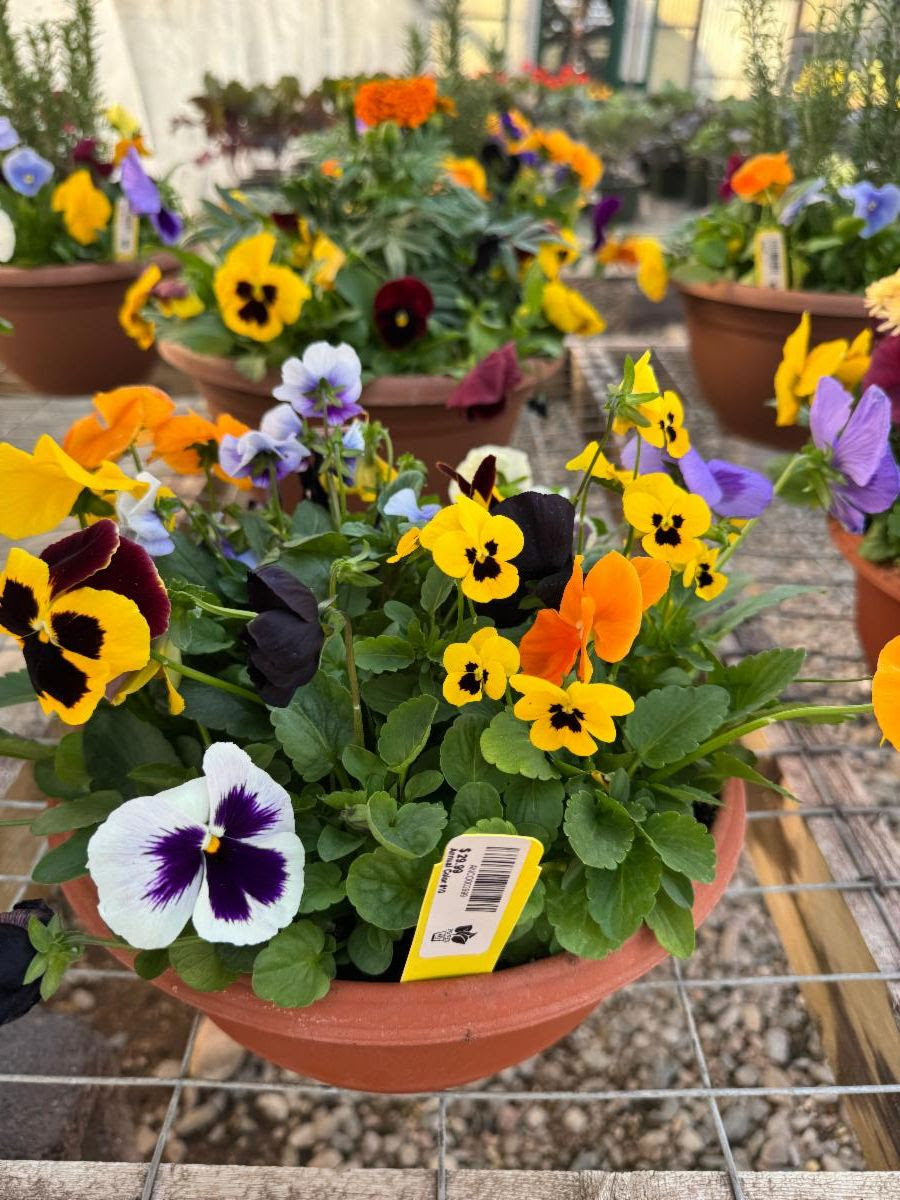
GORGEOUS custom container gardening with thrillers, fillers, and spillers! Stop by and get yours today.

—————————————————-
SHARE YOUR PHOTOS! Please keep sending in your photos. 
You Could WIN a $25 Gift Card!
If you have a photo taken in one of our greenhouses or of your own garden orlandscape that contains products from Payne’s, please send it to info@paynes.com!

If your photo is chosen, and used in our e-newsletter website or other marketingmaterials, then you will receive a Gift Certificate from Payne’s for $25!Please make sure to give us your contact information in your email.

ZODIAC SIGNS AND GARDENING? HERE’S THIS CYCLES PROFILE.

by The Old Farmer’s Almanac

Here’s THIS MONTHS ZODIAC SIGN PROFILE AND HOW IT CAN HELP YOU GARDEN:


ARIES (MARCH 20 – APRIL 21)
Aries begins the spring. You are a fiery, energetic, and quick individual who likes spicy, invigorating plants and foods. Growing onions, garlic, leeks, cayenne peppers, and tomatoes in the garden is easy for you and brings joy and excitement. (Putting all of these together in a spaghetti sauce is nirvana.) Red is your color, brave soul, and any flower of this hue attracts you. Red bee balm, poppies, zinnias, and celosia are particularly appealing. As the first sign of the zodiac, you love to pioneer new frontiers and directions. The newest plant varieties introduced by the local nursery will be sure to find a home in your garden.